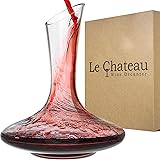

Why the Shape of Red Wine Glasses Matters
The impact of a wine glass’s shape on your tasting experience is rooted in how it interacts with the wine’s volatile compounds. Several years ago, a Japanese medical group conducted a fascinating study using a special camera. They recorded images of ethyl vapors – the carriers of a wine’s aromatic compounds – in different glasses. This research revealed how distinct glass shapes significantly affected the density and position of these vapors at the glass’s opening. Why is this a big deal? Because the vast majority of what we perceive as “flavor” in wine actually comes from these aromatic compounds reaching our olfactory senses. Our tongues can detect sweetness, sourness, bitterness, saltiness, and umami, but the rich tapestry of fruit, spice, floral, and earthy notes that make each wine unique is primarily sensed by our nose. A well-designed **red wine glass** acts like an aroma funnel, concentrating and directing these vapors optimally, ensuring you catch every subtle nuance.The Anatomy of a Red Wine Glass
Generally, **red wine glasses** feature larger bowls compared to their white wine counterparts. This design choice serves a crucial purpose: it allows more oxygen to come into contact with the wine. This process, often referred to as “breathing,” helps red wines, especially younger or bolder varieties, to open up, softening tannins and releasing their complex bouquet of flavors and aromas. The generous surface area inside the bowl facilitates this oxygen exchange. Furthermore, the glass’s rim, or opening, is critical. It determines how the wine is delivered to your mouth and nose. Different rim designs can emphasize or mitigate certain characteristics, such as the bitterness of tannins or intense spicy notes, making the wine feel smoother and silkier on your palate.Key Types of Red Wine Glasses for Enhanced Enjoyment
While there are indeed thousands of red wines and a dizzying array of **red wine glass** types, we can simplify this complexity into three primary categories. Each of these is expertly designed to highlight the best features of specific red wine styles.The Bordeaux Glass: For Robust and Tannic Reds
The Bordeaux glass is arguably the most common and recognizable **red wine glass**. Characterized by its average-length stem, wide base, and a larger bowl that tapers slightly inwards at the top, this glass is a workhorse for many popular red wines. * **Design Purpose:** Its substantial surface area is engineered to maximize oxygen exposure, which helps to soften assertive tannins and bring forward the rich fruit flavors common in full-bodied reds. The tapering rim helps to concentrate the powerful aromas. * **Ideal Wines:** This glass shines with wines that are high in tannin and alcohol, allowing them to breathe and mellow. * Cabernet Sauvignon * Cabernet Franc * Merlot * Classic Bordeaux blends * Other full-bodied, high-tannin red winesThe Syrah and Shiraz Glass: Highlighting Spice and Fruit
While Syrah (Old World) and Shiraz (New World) refer to the same grape, specific glass designs cater to their nuanced expressions. The Old World Syrah glass typically features a bowl that tapers sharply inwards from a relatively wide point. The New World Shiraz glass might be slightly larger overall. * **Design Purpose:** The distinct inward taper of these glasses is crucial. It helps to deliver the wine in a way that allows fruit aromas to hit the nose first, followed by the tannins. This progressive delivery softens spicy notes and balances the wine’s intensity, making it an excellent choice for medium to full-bodied reds with a peppery or savory character and often higher alcohol content. * **Ideal Wines:** These glasses are perfect for wines where spicy notes and fruit need to be harmonious. * Syrah * Shiraz * Côte du Rhône (and Southern Rhône blends) * Zinfandel * Malbec * Petite Sirah * Châteauneuf-du-PapeThe Pinot Noir and Bourgogne Glass: For Aromatic and Delicate Reds
The Pinot Noir glass, often called a Bourgogne glass (especially in its Old World iteration), is distinctive for its exceptionally large, wide, and sometimes bulbous bowl. The rim can vary, from slightly flaring outwards in Old World styles to a more subtle taper in New World designs. * **Design Purpose:** The expansive bowl offers the largest surface area of any **red wine glass**, allowing maximum exposure to air. This rapid oxygenation helps to “open up” and intensify the subtle, delicate aromas of lighter-bodied red wines, which might otherwise be lost in a smaller glass. The wide opening also directs the wine directly to the center of the tongue and gathers the more elusive aromatic compounds. * **Ideal Wines:** This glass is tailor-made for less expressive or lighter-bodied reds with nuanced fruit and earthy characteristics. * Pinot Noir * Gamay * Zweigelt * St. Laurent * Blaufränkisch * Nebbiolo (often also served in a larger, wider glass)What About Rosé Wines?
Rosé wines, with their vibrant fruit and crisp acidity, often share characteristics with white wines. Consequently, many **white wine glasses** work beautifully for rosé. Glasses designed for Chardonnay, Sauvignon Blanc, or Riesling, which typically have narrower bowls and longer stems, are excellent choices. The narrower bowl helps to preserve the delicate fruity aromas, while the long stem prevents your hand from warming the chilled wine, maintaining its refreshing temperature.The Pragmatic Approach: Universal Wine Glasses
While the world of specialized **red wine glasses** offers undeniable benefits, it’s perfectly understandable if you don’t have the space or desire to own dozens of different styles. For everyday enjoyment, a more pragmatic approach often works best. Many wine enthusiasts, including experts, rely on a **universal wine glass** for most of their home-drinking needs. A good universal glass strikes a balance, offering enough bowl capacity to allow most wines to express themselves while remaining manageable for storage and cleaning. Pairing a universal red wine glass with a versatile white wine glass and a dedicated sparkling wine flute can provide a comprehensive yet space-saving collection. The most important thing is choosing glasses that feel comfortable in your hand, enhance your enjoyment, fit your storage, and align with your budget. After all, the best **red wine glass** is the one you enjoy using most frequently.Uncorking Your Red Wine Glass Questions
Why does the shape of a red wine glass matter?
The shape of a red wine glass influences how you perceive the wine’s aroma and flavor. It helps direct the wine’s scents to your nose and delivers the wine to your palate in a specific way.
What is the main difference between red and white wine glasses?
Red wine glasses typically feature larger bowls compared to white wine glasses. This larger size allows more oxygen to come into contact with the wine, helping it to open up and release its complex aromas and flavors.
Are there different types of red wine glasses for specific wines?
Yes, there are three primary types: Bordeaux glasses for robust wines, Syrah/Shiraz glasses for spicy wines, and Pinot Noir/Bourgogne glasses for delicate, aromatic wines. Each shape is designed to highlight the best features of different red wine styles.
Do I need to buy many different red wine glasses?
While specialized glasses can enhance specific wines, you don’t need dozens of them. A good “universal wine glass” can work well for most of your red wines, offering a balance for everyday enjoyment.