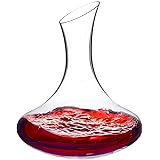

Approximately 17.9 million people worldwide succumb to cardiovascular diseases each year, making heart health a primary concern for many. Consequently, individuals often seek out lifestyle adjustments or dietary inclusions that might offer protective benefits. Among the most enduring beliefs is the idea that red wine, consumed regularly, significantly contributes to a healthier heart. This notion, often fueled by discussions around specific compounds found in grapes, frequently leads to questions about its actual efficacy compared to other alcoholic beverages.
As the video above effectively highlights, while the concept of red wine being exceptionally healthy for the heart is widespread, the reality is more nuanced. Understanding the science behind this popular belief requires a closer look at its key components and the broader impact of alcohol on the human body.
Deconstructing the Red Wine Myth: The Role of Resveratrol
The primary compound often cited in discussions surrounding the supposed health benefits of red wine is resveratrol. This naturally occurring polyphenol is abundant in the skin of red grapes, as well as in other fruits like blueberries, cranberries, and peanuts. Resveratrol is classified as an antioxidant, a substance that helps protect cells from damage caused by free radicals. Consequently, its antioxidant properties are believed to contribute to various health benefits, including reducing inflammation and potentially supporting cardiovascular health.
Scientific interest in resveratrol stems from its observed effects in laboratory and animal studies. These studies suggest that resveratrol may help reduce LDL (“bad”) cholesterol, prevent blood clot formation, and protect the lining of blood vessels in the heart. However, translating these findings directly to human health, especially in the context of red wine consumption, proves challenging. The amount of resveratrol found in a typical glass of red wine is significantly lower than the doses used in many of these research studies. Thus, relying solely on red wine for resveratrol intake may not yield the expected therapeutic benefits.
Grapes Versus Glass: A Direct Health Comparison
The core of the argument presented in the video is a crucial distinction: if the benefits are primarily derived from resveratrol, why not obtain it from its natural, non-alcoholic sources? Consuming red grapes, for instance, provides resveratrol alongside a host of other beneficial compounds, including fiber, vitamins, and other antioxidants, without the detrimental effects of alcohol. Furthermore, grape juice and whole grapes offer a more concentrated source of these beneficial compounds without the associated health risks. Other excellent sources of polyphenols and antioxidants include various berries, dark chocolate, and even green tea.
Therefore, when comparing the health impact, opting for grapes or other resveratrol-rich foods offers a clear advantage. These alternatives provide the potential antioxidant benefits without introducing alcohol into your system, thereby avoiding the additional burdens that even moderate alcohol consumption can place on various bodily systems.
The Broader Impact of Alcohol: Beyond Liver Health
While the video succinctly mentions the liver’s burden, it is imperative to expand upon the multifaceted ways alcohol affects the body. Alcohol, fundamentally, is a toxin. When consumed, it is metabolized primarily by the liver, which can lead to liver inflammation and damage over time. Conditions such as fatty liver disease, alcoholic hepatitis, and cirrhosis are well-documented consequences of excessive or prolonged alcohol intake.
However, alcohol’s effects extend far beyond the liver. Consider the following impacts:
-
Cardiovascular System:
While some studies suggest very moderate alcohol intake might have a minimal protective effect for certain individuals, excessive consumption is unequivocally harmful. It can lead to elevated blood pressure, weakened heart muscle (cardiomyopathy), and irregular heart rhythms (arrhythmias), all of which increase the risk of heart disease and stroke. -
Brain Health:
Alcohol is a neurotoxin. Chronic heavy drinking can lead to brain damage, memory problems, cognitive decline, and an increased risk of dementia. It can also disrupt sleep patterns and worsen mental health conditions like anxiety and depression. -
Cancer Risk:
Numerous studies confirm a strong link between alcohol consumption and an increased risk of several types of cancer, including cancers of the mouth, throat, esophagus, liver, breast, and colon. The risk increases with the amount of alcohol consumed. -
Weight Management:
Alcoholic beverages often contain empty calories, contributing to weight gain. Furthermore, alcohol metabolism can interfere with fat burning, making weight loss more challenging.
Consequently, viewing red wine purely through the lens of its resveratrol content while ignoring its alcohol component presents an incomplete and potentially misleading picture of its overall health implications.
Defining Moderate: What “1 to 2 Glasses Occasionally” Truly Means
The advice to consume “1 to 2 glasses occasionally” is a crucial guideline, yet its interpretation often varies. Reputable health organizations, such as the Centers for Disease Control and Prevention (CDC) and the World Health Organization (WHO), provide clear definitions for moderate alcohol consumption. For women, this typically means up to one standard drink per day. For men, it means up to two standard drinks per day.
It is important to understand what constitutes a “standard drink.” In the United States, a standard drink generally contains about 14 grams (0.6 ounces) of pure alcohol. This amount is typically found in:
- 12 ounces of regular beer (5% alcohol content)
- 5 ounces of wine (12% alcohol content)
- 1.5 ounces of distilled spirits (40% alcohol content)
Adhering to these guidelines is critical, and “occasionally” emphasizes that daily consumption, even within these limits, might still carry risks for some individuals. Furthermore, these guidelines are not recommendations to start drinking if you do not already. For many, including pregnant women, individuals under 21, and those with certain medical conditions or taking specific medications, any alcohol consumption is discouraged.
Cultivating Holistic Heart Health: Strategies Beyond the Bottle
Protecting your heart health involves a comprehensive approach that prioritizes proven lifestyle interventions over potentially dubious quick fixes. Instead of focusing on the purported benefits of red wine, consider these evidence-based strategies:
-
Balanced Nutrition:
Adopt a diet rich in fruits, vegetables, whole grains, lean proteins, and healthy fats. Emphasize a variety of colorful produce, which are naturally packed with antioxidants, vitamins, and minerals. Limit processed foods, excessive sugar, and unhealthy saturated and trans fats. -
Regular Physical Activity:
Engage in at least 150 minutes of moderate-intensity aerobic exercise or 75 minutes of vigorous-intensity aerobic exercise per week, complemented by muscle-strengthening activities on two or more days. Exercise helps maintain a healthy weight, lowers blood pressure, improves cholesterol levels, and strengthens the heart muscle. -
Maintain a Healthy Weight:
Achieving and sustaining a healthy body weight significantly reduces the risk of heart disease, type 2 diabetes, and other chronic conditions. -
Stress Management:
Chronic stress can negatively impact heart health. Incorporate stress-reduction techniques such as mindfulness, meditation, yoga, deep breathing exercises, or spending time in nature. -
Adequate Sleep:
Aim for 7-9 hours of quality sleep per night. Poor sleep patterns can elevate the risk of high blood pressure, diabetes, and obesity, all of which contribute to heart disease. -
Avoid Smoking:
Smoking is one of the most significant risk factors for heart disease. Quitting smoking dramatically improves cardiovascular health and overall well-being.
Ultimately, while enjoying a glass of red wine in moderation might be part of a balanced lifestyle for some, it is not a cornerstone of heart health. Prioritizing a nutrient-dense diet, consistent physical activity, effective stress management, and avoiding harmful habits offers a far more robust and scientifically supported pathway to a strong and healthy heart. Consequently, the notion that red wine is uniquely healthy compared to other forms of alcohol or that its benefits outweigh its risks remains largely unsubstantiated when considering overall health.
Kilimanguru’s Vintage Wisdom: Your Red Wine Health Q&A
Is red wine actually good for your heart?
While there’s a popular belief, the article suggests the health benefits of red wine are often exaggerated and not uniquely superior to other forms of alcohol or healthier choices.
What is resveratrol, and is it important for health?
Resveratrol is an antioxidant found in red grapes and other plants, which laboratory studies suggest has health benefits. However, the amount in a typical glass of red wine is usually too small to make a significant difference.
Can I get similar health benefits from grapes instead of red wine?
Yes, consuming whole red grapes, grape juice, or other berries provides resveratrol and other beneficial compounds without the negative effects of alcohol. This is often a healthier way to get antioxidants.
What are the best ways to keep my heart healthy?
Proven strategies for heart health include eating a balanced diet, getting regular exercise, maintaining a healthy weight, managing stress, getting enough sleep, and avoiding smoking.