
Navigating the rich landscape of Italian red wines and their ideal food pairings can often seem daunting, especially for those just beginning their wine journey. With such a vast array of varietals and regional styles, knowing what to pour with your favorite Italian dishes, or indeed any meal, is a common challenge. Fortunately, understanding a few key characteristics of Italy’s most celebrated reds allows for confident and delicious selections. In the video above, a sommelier introduces some of the best Italian red wines to pair with food, and here, we expand on these insights, providing a deeper dive into their profiles and culinary versatility.
The art of pairing Italian red wines with food is primarily about balancing flavors and textures. The acidity in many Italian reds, for instance, is highly effective at cutting through rich, fatty dishes, while their tannin structure often demands the presence of protein to soften the palate. By considering these elements, a harmonious dining experience is easily achieved.
Uncorking Chianti: A Versatile Tuscan Classic
Chianti, made primarily from the Sangiovese grape, has undergone a significant resurgence in popularity over the past decade. This recognition is well-deserved, as Chianti offers a spectrum of styles to suit various preferences. While the classic version is typically medium-bodied, expressions such as Chianti Riserva and Chianti Gran Selezione, which involve longer aging, develop into bolder, more complex wines.
The distinctive character of Chianti, especially when enjoyed young, is its bright acidity and prominent red fruit notes. This combination, often accompanied by a pleasant herbaceousness and a long finish, makes it exceptionally versatile for food pairings. In Italy, Chianti is frequently enjoyed with pasta dishes, particularly those featuring rich meat sauces like ragù or with a hearty lasagna. Its adaptability extends to various meats; roasted pork or chicken are excellent companions, where the wine’s acidity can balance the richness of the poultry or pork.
Recommended Chianti Producers for Your Cellar
For those exploring Chianti, several producers consistently deliver high-quality wines. Castello di Fonterutoli by Mazzei is lauded for its entire range of Chiantis, offering excellent value and superb quality across its tiers. Isole e Olena is another distinguished name, known not only for its Chiantis but also for its Super Tuscans. For a quintessential Chianti Classico experience, Castello di Ama is highly recommended, embodying the elegance and complexity often found in this specific sub-region.
The Power and Elegance of Nebbiolo: Barolo and Barbaresco
From the Piedmont region, the Nebbiolo grape is responsible for two of Italy’s most prestigious red wines: Barolo and Barbaresco. While other Nebbiolo expressions exist, such as Gattinara and Alta Langa, Barolo and Barbaresco are the most renowned. These wines are characterized by their considerable tannin structure and vibrant acidity, which evolve beautifully with age.
When relatively young, Nebbiolo-based wines like Barolo and Barbaresco are quite lively and tannic. This means they perform exceptionally well when paired with rich, fatty dishes that can stand up to their intensity and help soften the tannins on the palate. Roasted lamb or substantial cuts of beef are classic choices, as are heavy pasta dishes or risottos enriched with butter, cheese, or meat. For a less aged Barbaresco or a younger, classic Nebbiolo, pairings with black truffles can be quite sublime, as the earthy intensity of the truffles complements the wine’s complex aromatics.
Decanting and Vintage Considerations for Nebbiolo
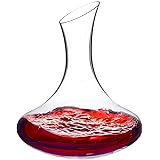
Due to their tannic nature, it is often recommended that younger Barolo and Barbaresco wines be decanted for two to three hours before serving. This aeration allows the wine to open up, softening the tannins and revealing more of its aromatic complexity. Furthermore, vintage is particularly crucial for Nebbiolo. Variations in weather conditions during the growing season can significantly impact the wine’s quality, with a notable difference often observed between excellent and less favorable years, especially those with heavy rainfall.
Among the many esteemed producers, Cannubi Boschis and Voerzio are highly regarded for their Barolo. For Barbaresco, names like Gaja and Giacosa are celebrated, though their wines can be quite an investment. Regardless of the producer, selecting a good vintage is key to enjoying the full potential of these magnificent Italian red wines.
Brunello di Montalcino: A Sangiovese Masterpiece
Brunello di Montalcino, crafted exclusively from 100% Sangiovese Grosso, represents another pinnacle of Italian winemaking, particularly from Tuscany. This wine is known for its impressive aging potential, becoming bolder and more profound with time in the bottle. Its profile includes a lively acidity, especially in younger bottlings, long persistence, subtle spiciness, and captivating floral notes of violet alongside ripe fruit.
Brunello’s robust structure and acidity make it an outstanding partner for hearty meat dishes. Roasted lamb or pork, particularly a Florentine steak, are perfect complements. The wine’s acidity helps cleanse the palate after each rich bite, creating a balanced and thoroughly enjoyable experience. For optimal enjoyment, especially with younger bottles, decanting Brunello di Montalcino for two to three hours is highly recommended to allow its complex aromas and flavors to fully unfold.
Distinguished Producers of Brunello di Montalcino
Visiting Montalcino is an experience often cherished by wine lovers, much like the sommelier in the video attests to. The region is home to legendary producers who uphold the integrity and quality of Brunello. Tenuta Le Potazzine is a smaller estate known for its dedication to producing high-quality Brunello. Biondi-Santi, often considered the institution of Brunello di Montalcino, offers wines of exceptional caliber. Casanova di Neri is another name frequently highlighted for its superb interpretations of this revered Sangiovese expression.
Montepulciano d’Abruzzo: The Concentrated Eastern Gem
Moving to the central-eastern part of Italy, the Montepulciano grape thrives, particularly in the Abruzzo region. Montepulciano d’Abruzzo is a late-ripening grape known for producing wines with prominent ripe fruit characteristics. While some fresh versions exist, many of the best expressions benefit from some passage in wood, which imparts a subtle spiciness to their profile.
The defining features of Montepulciano d’Abruzzo are its concentration, texture, and often a rich alcohol content. These attributes make it an excellent choice for a variety of substantial dishes. Roasted lamb, rich and intense pasta dishes with meat sauces, and even aged, hard cheeses are exemplary pairings. The wine’s robust nature can beautifully complement the strong flavors of these foods, making it a versatile option for different stages of a meal.
Exceptional Montepulciano d’Abruzzo Producers
When selecting Montepulciano d’Abruzzo, producers like Masciarelli offer a range of styles, from the very bold Villa Gemma to the slightly less barrel-aged Iscra. However, for truly outstanding expressions that often see minimal wood influence, Valentini and Emidio Pepe are often cited as benchmarks. These producers are also notable for their commitment to natural winemaking, utilizing natural yeast fermentation, and often practicing unfiltered, organic, or even biodynamic viticulture, though their wines tend to be on the more expensive side. These natural methods contribute to wines of incredible depth and aging potential, showcasing the true character of this remarkable Italian red wine.
Uncorking Your Curiosity: Italian Red Wine & Food Pairing Q&A
What is this guide about?
This guide helps beginners learn how to pair famous Italian red wines, like Chianti and Barolo, with various foods to enhance their dining experience.
Why is food pairing important for Italian red wines?
It’s important to balance the wine’s flavors and textures with food. Italian reds often have acidity to cut through rich dishes and tannins that are softened by protein.
What kind of wine is Chianti and what food pairs well with it?
Chianti is a classic Tuscan red wine made from Sangiovese grapes, known for its bright acidity and red fruit flavors. It pairs wonderfully with pasta with meat sauces, roasted pork, or chicken.
What are Barolo and Barbaresco, and what foods should I pair with them?
Barolo and Barbaresco are powerful red wines from Piedmont, made from the Nebbiolo grape, known for their strong tannins. They are best paired with rich, fatty dishes like roasted lamb or beef to balance their intensity.
What is Montepulciano d’Abruzzo wine and what dishes does it complement?
Montepulciano d’Abruzzo is a concentrated red wine from central-eastern Italy, featuring ripe fruit and a rich texture. It complements hearty meals such as roasted lamb, rich pasta dishes, and aged cheeses.