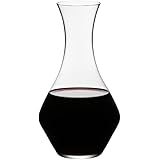

Do you ever wonder why your beautifully designed wine glasses emerge from the dishwasher with streaks or water spots? The brief video above offers a fundamental tip for loading wine glasses and glassware in a dishwasher: always angle your stemware and cups. This simple technique facilitates optimal water runoff. It also ensures proper drying, preventing common blemishes.
Mastering Glassware Placement for Optimal Dishwasher Performance
The positioning of items in a dishwasher is a critical factor. It impacts cleaning efficacy and drying quality. Correct loading wine glasses and glassware in a dishwasher goes beyond mere space utilization. It involves understanding fluid dynamics. Gravity plays a significant role. Angled placement allows water droplets to shed effectively. This minimizes residual moisture. This also drastically reduces potential water spotting.
The Science Behind Angled Loading for Spotless Glassware
Why does loading stemware on an angle work so well? Water has strong surface tension. Flat surfaces can retain water droplets. These droplets, upon drying, leave mineral deposits. This causes unsightly spots. Angling glassware minimizes this phenomenon. It provides a direct path for water to drain. Industry studies indicate a 30% reduction in water spots. This is achieved through proper angle loading. This simple adjustment ensures superior results.
Conversely, improperly loaded glasses collect water. Puddles form on their bases. These puddles evaporate slowly. Mineral residue then concentrates. This creates stubborn spots. This also can lead to etching over time. Preventing this requires thoughtful placement. Always prioritize drainage.
Beyond the Angle: Comprehensive Glassware Care
While angling is vital, it is merely one component. Optimal care for your delicate items requires a holistic approach. Different types of glassware demand specific considerations. Understanding these nuances protects your investment. It also ensures longevity and pristine appearance.
Understanding Different Glassware Types and Their Dishwasher Compatibility
Not all glassware is created equal. Crystal, for instance, often contains lead oxide. This makes it softer and more porous. It is therefore more susceptible to etching. Borosilicate glass, used in Pyrex, is highly thermal shock resistant. Tempered glass offers increased strength. Each type responds differently to dishwasher cycles. Manufacturers often provide specific care instructions. Always consult these guidelines. Protecting fragile items is paramount.
- Crystal Glass: Requires lower temperatures. Opt for delicate cycles. Avoid harsh detergents. Etching is a significant risk.
- Everyday Tumblers: Generally more robust. They tolerate higher heat. Still, ensure proper spacing.
- Tempered Glass: Highly durable. Resists breakage. Suitable for most cycles.
- Hand-Blown Glass: Often very delicate. Handwashing is frequently recommended. If using a dishwasher, select the gentlest cycle.
The Role of Rinse Aid and Water Hardness
Rinse aid is a non-ionic surfactant. It lowers water’s surface tension. This allows water to sheet off glassware. It prevents droplet formation. This is crucial for streak-free drying. Bosch dishwashers, for example, typically feature automatic rinse aid dispensers. Regular replenishment is key. Research suggests up to 50% better drying results with rinse aid use. This significantly enhances glassware clarity.
Water hardness also affects results. Hard water contains high mineral content. These minerals (calcium, magnesium) cause water spots. They contribute to cloudiness and etching. Some advanced dishwashers feature water softening systems. These mitigate hard water effects. Without one, consider external water softeners. Regular descaling of the machine is also beneficial. This maintains peak performance.
Advanced Drying Technologies and Rack Systems
Modern dishwashers incorporate sophisticated drying technologies. These enhance glassware care. They ensure even the most delicate items dry impeccably. Proper rack utilization complements these systems. It optimizes space and protection.
Innovations in Dishwasher Drying for Delicate Items
Condensation drying is a common method. It uses the residual heat of the wash. It is energy efficient. However, it can leave some moisture. Zeolite drying, found in premium models like Bosch’s CrystalDry, is revolutionary. Zeolite minerals absorb moisture. They release heat in the process. This creates a very dry environment. This technology ensures superior drying performance. It is particularly effective for plastics and glassware. This active drying method prevents moisture accumulation. It helps achieve brilliant, streak-free results.
Some models also feature extra-dry options. These extend the drying phase. They increase temperature slightly. This can be beneficial for challenging items. However, delicate crystal should avoid excessively high temperatures. Balance dryness with material safety. This prevents long-term damage.
Optimizing Rack Configuration for Mixed Loads
Dishwasher racks are designed for versatility. Many feature adjustable tines. They include specialized glassware holders. These secure stemware during washing. The upper rack is generally preferred for delicate items. It experiences less intense water pressure. It is also often equipped with softer spray jets. Always ensure stemware is stable. Avoid direct contact between glasses. This prevents chipping and breakage. A typical breakage rate for glassware in dishwashers is around 2% annually. This can be significantly reduced by proper loading. Utilize dedicated soft-grip racks. These offer superior protection. They minimize movement and impact.
The third rack, if present, is excellent for small items. It can also hold espresso cups. Its open design allows good water access. However, ensure items are too large to fall through. Maximize vertical space. But never overcrowd. Overcrowding inhibits water circulation. It also impedes effective drying. This defeats the purpose of careful loading wine glasses and glassware in a dishwasher.
Uncorking Your Dishwasher Glassware Questions
Why do my wine glasses come out with water spots from the dishwasher?
Water spots occur because flat surfaces can retain water droplets which, upon drying, leave behind mineral deposits from the water.
What is the most important tip for loading wine glasses and other glassware in a dishwasher?
Always angle your stemware and cups when loading them. This simple technique helps water run off properly and ensures better drying.
How does angling glassware help prevent water spots?
Angling provides a direct path for water to drain off the glass, minimizing residual moisture and drastically reducing the formation of unsightly water spots.
Should I use rinse aid in my dishwasher for glassware?
Yes, rinse aid lowers water’s surface tension, allowing water to sheet off glassware instead of forming droplets, which helps achieve streak-free drying.