
Effectively decanting wine without sediment is a refined skill that elevates the wine-drinking experience. As demonstrated in the accompanying video, a precise technique is paramount to ensure that the delicate characteristics of the wine are preserved and enhanced, rather than compromised by undesirable particles.
The act of decanting is frequently associated with older wines, where the formation of sediment is a natural consequence of the aging process. However, even some younger, robust red wines can benefit from a brief period of aeration, which can help to soften tannins and allow the full spectrum of aromas to develop. Consequently, mastering the art of sediment-free decanting becomes an invaluable asset for any wine enthusiast.
Understanding Wine Sediment: A Connoisseur’s Perspective
Before delving into the mechanics of decanting wine without sediment, it is beneficial to understand what sediment actually comprises. Essentially, sediment can be categorized into two primary types: tartrates and pigmented sediment. Tartrates, often appearing as tiny crystals, are harmless potassium bitartrate deposits that precipitate out of the wine when it is exposed to cold temperatures. These are the same compounds found in cream of tartar and are a natural byproduct of wine production.
Conversely, pigmented sediment is typically found in aged red wines. It consists of polymerized tannins and color pigments that have settled out of the liquid over time. While entirely harmless to consume, these gritty particles can impart an unpleasant texture or a bitter taste if poured into a glass. Therefore, the removal of this sediment is considered a crucial step in preparing mature wines for enjoyment.
The Benefits Beyond Sediment Removal
While the primary objective of the technique shown in the video is to separate wine from its sediment, decanting offers additional advantages. Primarily, it allows the wine to ‘breathe’ through aeration. This process involves exposing the wine to oxygen, which facilitates the evaporation of certain volatile compounds that might obscure the wine’s true aroma in a freshly opened bottle. Furthermore, aeration can soften the often-harsh tannins found in young red wines, making them more approachable and expressive.
It is often observed that a wine’s bouquet, or aromatic profile, becomes more pronounced and complex after decanting. This transformation can be likened to a flower slowly opening its petals to reveal its full beauty. Therefore, for many wines, decanting is not merely a practical necessity but an essential step in unlocking their full sensory potential, allowing a greater appreciation of the winemaker’s craft.
The Sommelier’s Secret: Precision Decanting Technique
The technique demonstrated in the video highlights several critical aspects of effective decanting wine without sediment. Foremost among these is the use of a focused light source, such as a phone’s flashlight. This illumination is strategically placed just below the neck of the bottle during the pouring process, enabling the individual to clearly observe the wine as it flows into the decanter. This method permits the detection of sediment as it approaches the neck, acting as a warning signal.
Furthermore, maintaining a steady, continuous pour is imperative once the decanting process has begun. As the sommelier explains, stopping and starting the pour can agitate the sediment, causing it to mix back into the wine. This would negate the entire purpose of the exercise, akin to stirring coffee grounds back into a freshly brewed cup. Therefore, a deliberate and unwavering hand is essential for success, ensuring a clean separation.
Mastering the Pour and Sediment Trap
As the wine begins to flow into the decanter, the bottle should be held in a manner that allows for both stability and control, as shown in the video. The thumb placement on the decanter acts as a pivot, allowing for a smooth and controlled transfer without glass-on-glass contact, which could lead to chipping. As the light reveals the approach of sediment towards the bottle’s neck, a subtle but significant adjustment is required: the pouring speed must be decreased. This allows for the precise trapping of the sediment.
This trapping mechanism occurs within the shoulder of the wine bottle, effectively preventing the gritty particles from entering the decanter. The goal is to leave a small amount of wine, perhaps an ounce or two, still in the bottle with the bulk of the sediment. This precision is analogous to a river guide expertly navigating a canoe around rapids, ensuring a smooth passage for the main vessel while leaving obstacles behind. The outcome is a brilliant, sediment-free wine that is ready to be enjoyed.
Choosing the Right Decanter and Preparation
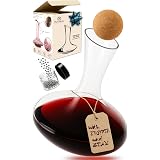
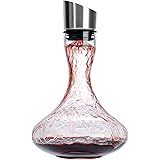
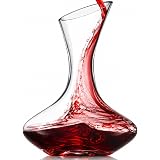
The choice of decanter can also play a role in the decanting process, though the technique remains the most critical factor. Decanters come in a variety of shapes and sizes, each designed with specific functions in mind. For young wines that require significant aeration, decanters with a wide base and ample surface area are often preferred, as they maximize oxygen exposure. Conversely, for very old, fragile wines where minimal aeration is desired but sediment removal is necessary, a narrower, more traditional carafe might be more suitable.
Preparation prior to decanting is also important. If possible, a bottle of wine known to contain sediment should be stood upright for at least 24 to 48 hours before decanting. This allows gravity to assist in settling the sediment firmly at the bottom of the bottle, making the separation process significantly easier and more effective. This preparatory step is akin to letting dust settle in a room before cleaning, ensuring a more thorough job.
When to Decant and When to Exercise Caution
While decanting wine without sediment is beneficial for many wines, it is not always the best course of action. Generally, robust red wines such as Cabernet Sauvignon, Bordeaux blends, Syrah, and Zinfandel, particularly those that are young or have significant age, benefit greatly. These wines often possess complex aromatics that need time and air to unfurl, and their sediment content warrants careful removal.
However, extreme caution should be exercised with very old and delicate wines, especially those that are highly aged and may have fragile structures. Over-aeration can cause these venerable wines to ‘fade’ quickly, losing their subtle nuances and intricate tertiary aromas. For such treasures, a careful, slow pour directly into the glass, or a brief decant into a narrow decanter without excessive agitation, might be preferred. A sommelier’s expertise is frequently sought in these nuanced situations.
Pour Your Questions: The Sommelier’s Q&A on Sediment-Free Decanting
What is decanting wine?
Decanting wine involves carefully pouring it from its bottle into a separate container, like a decanter. This process is done to separate the wine from any sediment and to allow it to ‘breathe’ by exposing it to oxygen.
Why is decanting wine important?
Decanting is important because it removes sediment that can affect the wine’s taste and texture. It also aerates the wine, which helps soften harsh tannins and enhances its full range of aromas.
What is wine sediment?
Wine sediment refers to natural particles that can form in wine, mainly tartrates (harmless crystals) or pigmented sediment. Pigmented sediment consists of polymerized tannins and color pigments found in aged red wines.
Is wine sediment safe to drink?
Yes, wine sediment is completely harmless to consume. However, it can sometimes create an unpleasant gritty texture or a bitter taste if it’s poured into your glass.
Which wines should I decant?
Decanting is beneficial for older wines that have naturally formed sediment, and also for robust young red wines such as Cabernet Sauvignon or Syrah. These wines benefit from aeration to soften tannins and allow their complex aromas to develop.