
Mastering the Art of Wine: Essential Expert Wine Tips for Beginners
Navigating the complex world of wine can often feel daunting, especially for those just beginning their journey. You might encounter common frustrations like a seemingly flat bottle or struggle with highly tannic wines. Fortunately, enhancing your wine experience is simpler than you think when armed with the right knowledge and expert wine tips.
The accompanying video provides a concise overview of three crucial wine hacks from Which? experts, laying a solid foundation for improved enjoyment. This article aims to expand upon those valuable insights, delving deeper into the science and practical applications behind oxygenating your reds, expertly pairing tannic wines, and creatively utilizing leftover bottles for culinary excellence.
Revitalizing Your Reds: The Power of Aeration
Imagine if your eagerly anticipated screw-top red, upon opening, disappointingly presents a dull aroma or an unwelcome hint of sulfur. This common issue, often referred to as reduction, indicates a wine lacking sufficient oxygen contact. Such conditions can stifle a wine’s inherent bouquet, preventing its aromatic compounds from fully blossoming.
The solution, as highlighted by Which? experts, involves controlled oxygenation or aeration. By pouring a small amount from the bottle, recapping it, and gently shaking, you introduce a calculated burst of oxygen. This vital process helps dissipate volatile sulfur compounds, allowing the wine’s fruit characteristics and nuanced complexities to emerge more prominently.
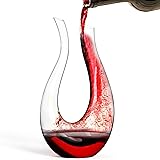
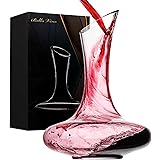
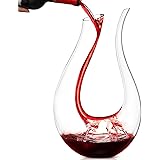
Furthermore, aeration is not solely limited to addressing reductive notes. Many wines, particularly younger, robust reds, benefit significantly from extended oxygen exposure. Decanting, a more traditional method, allows the wine to breathe over a longer period, softening its edges and unifying its various elements. Specialized wine aerators also offer an immediate and efficient way to achieve similar benefits, drawing in air as the wine passes through.
Demystifying Tannins: Elevating Your Food Pairings
A wine high in tannins can initially present a challenging, astringent mouthfeel, often described as a drying sensation on the palate. These naturally occurring phenolic compounds are derived primarily from grape skins, seeds, and stems, as well as from oak barrel aging. Tannins contribute structure, bitterness, and longevity to wine, playing a crucial role in its overall complexity.
However, understanding how to manage this astringency is key to unlocking a more enjoyable drinking experience. As the video suggests, pairing high-tannin wines with specific foods can profoundly transform their character. Protein-rich foods, particularly red meats and aged cheeses, possess fats and proteins that effectively bind with tannins, neutralizing their drying effect.
Consequently, a bold Cabernet Sauvignon, which might feel aggressive when consumed solo, becomes remarkably smoother and more integrated alongside a well-marbled steak or a mature cheddar. This synergistic interaction creates a balanced palate, allowing both the wine and the food to shine. Exploring pairings with lamb, venison, or even hearty mushroom dishes can similarly mitigate the perceived harshness of tannic reds, revealing layers of flavor previously masked.
Culinary Ingenuity: Maximizing Leftover Wine
Wasting leftover red wine is an unfortunate scenario many enthusiasts face, yet it offers a fantastic opportunity for culinary creativity. Instead of discarding it, consider transforming it into a versatile ingredient for future meals. The initial step, as advised, involves boiling the wine to reduce its volume and concentrate its flavors significantly.
This reduction process evaporates the alcohol while intensifying the wine’s inherent fruity, earthy, or spicy notes. Once cooled, freezing the concentrated wine in ice cube trays creates convenient portions for various gastronomic applications. These wine cubes become invaluable additions to your freezer, ready whenever inspiration strikes.
Imagine if you are preparing a rich beef stew, a delicate pan sauce for grilled chicken, or deglazing a pan after searing pork chops. A single cube of frozen, reduced wine can impart a depth of flavor that elevates the dish from good to extraordinary without the need to open a fresh bottle. This practical tip not only minimizes waste but also ensures you always have a sophisticated culinary enhancer at your fingertips, proving that expert wine tips extend far beyond the glass itself.
Uncorking Your Wine Questions with Which? Experts
Why should I aerate my screw-top red wine?
Aerating your screw-top red wine helps improve its aroma and flavor. It allows oxygen to dissipate unwelcome sulfur hints and lets the wine’s fruit characteristics emerge more prominently.
How can I aerate a screw-top red wine at home?
To aerate a screw-top red, pour a small amount of wine out, then recap the bottle and gently shake it. This introduces oxygen, which helps the wine’s bouquet develop.
What are tannins in wine, and what do they feel like?
Tannins are natural compounds found in grape skins, seeds, and stems, or from oak barrels. They can create a challenging, astringent, or drying sensation in your mouth.
What kind of food pairs well with high-tannin wines?
High-tannin wines pair well with protein-rich foods like red meats and aged cheeses. The fats and proteins in these foods help neutralize the wine’s drying effect, making it smoother.
What’s a good way to use leftover red wine?
You can boil leftover red wine to reduce and concentrate its flavors. Once cooled, freeze it in ice cube trays for convenient use in cooking dishes like stews or sauces.